“Run from what’s comfortable. Forget safety. Live where you fear to live. Destroy your reputation. Be notorious. I have tried prudent planning long enough. From now on I’ll be mad.”
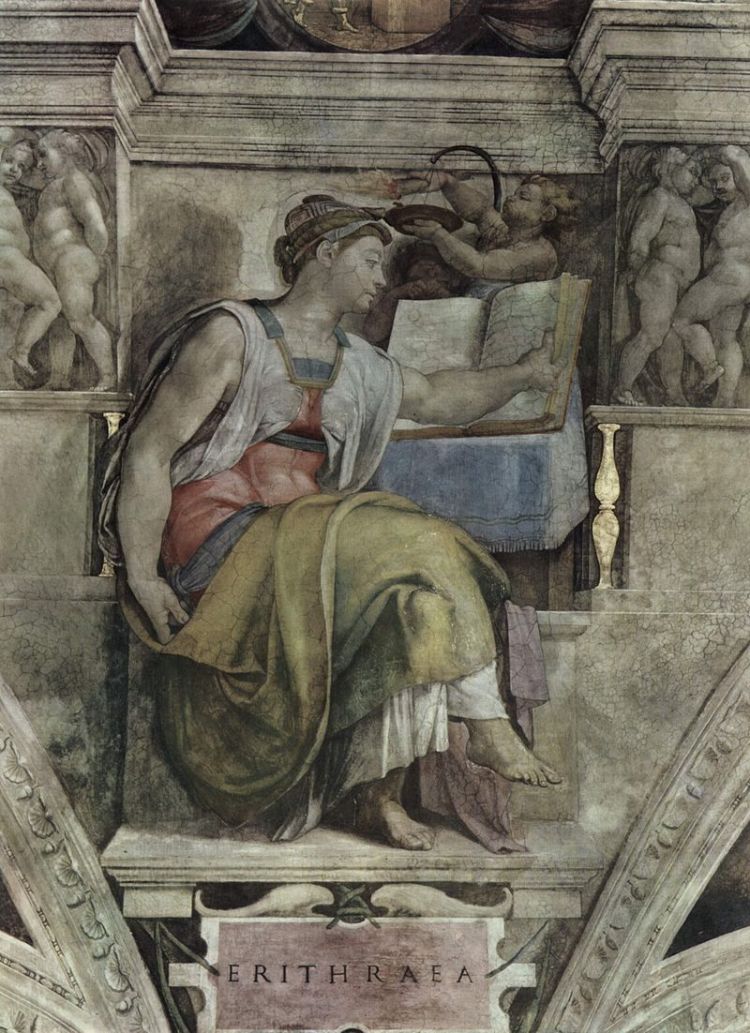
“In Christian iconography the Erythraean Sibyl is credited with prophesying the coming of the Redeemer, which prophesy was in the form of an acrostic whose initial letters spelled out “ΙΗΣΌΎΣ ΧΡΕΙΣΤΟΣ ΘΕΟΥ ΎΊΟΣ ΣΩΤΗΡ ΣΤΑΎΡΟΣ” (“Jesus Christ, God’s Son, Savior, Cross). Examples were in medieval paintings in Salisbury cathedral, and others are shown in the illustrations on […]
A lot of this goes over my head. I’m not an astrologer. But I know someone who will understand this much better than me (!) Interesting, nonetheless. Zodiac Johann Kleberger. Astronomy and Magic in the Picture of Dürer A.V. Lantratov 1. The ambiguity of reading the old dates. “The Magic Square” by Albrecht Durer The […]
Am I the only person around this faf social media “world” TODAY with the balls (Ironic!) to address, talk about, investigate, publicise etc etc … the True Truth about Tartaria? Just saying :o)
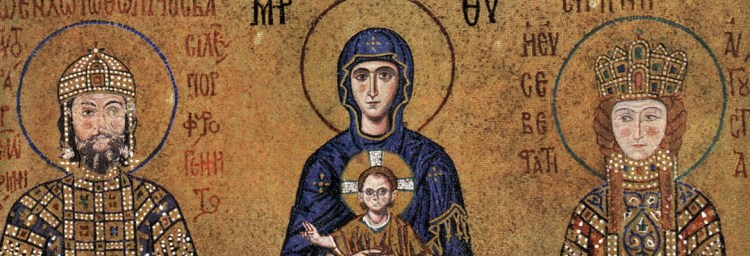
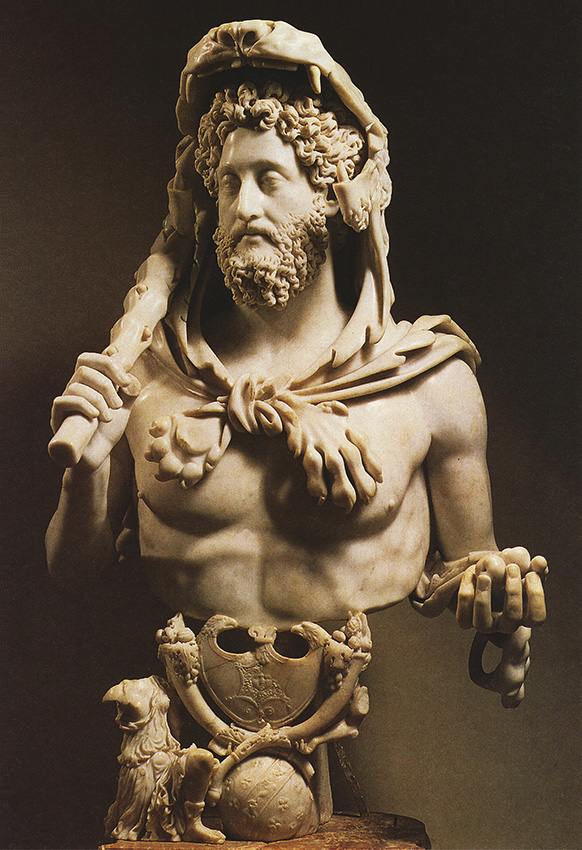
Historia Augusta The Life of Commodus 1 1 The ancestry of Commodus Antoninus has been sufficiently discussed in the life of Marcus Antoninus. As for Commodus himself, he was born, with his twin brother Antoninus, ( a subject that I’ve not touch on yet is the fact that Andronicus I Comnenus and his brother, John, were […]
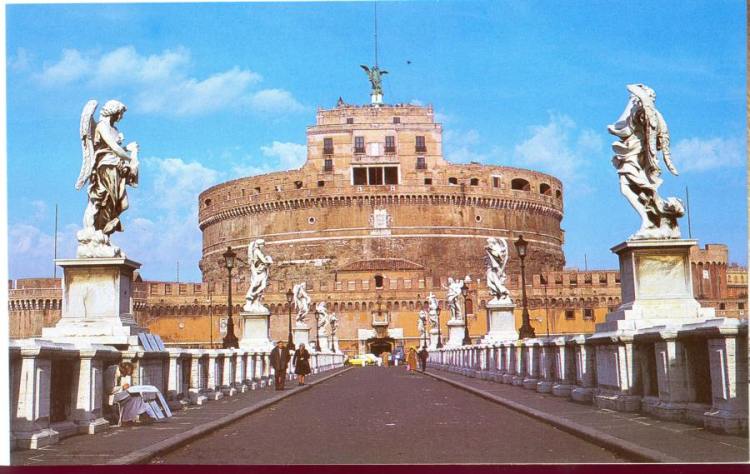
Otherwise known as The Mausoleum of Hadrian, has four famous tombs. Four famous Caesars. Hadrian, Luicius Verus, (father) Luicius Verus, (son) and Commodus. Confusing, Crazy history books! Its also famous as the prison which held, amongst others, Giordano Bruno and Alessandro Cagliostro. Andronicus I Comnenus was probably buried in Egypt with the rest of his […]
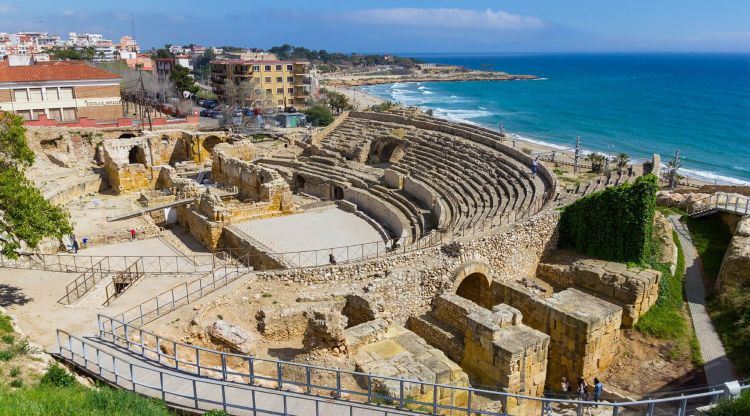
From The Life of Hadrian : “After this he travelled to Spain and spent the winter at Tarragona, (The image above is Tarragona, Spain. G.B.) and here he restored at his own expense the temple of Augustus. To this place, too, he called all the inhabitants of Spain for a general meeting, and when […]
From Historia Augusta : The Life of Lucius Verus “One such banquet, indeed, became very notorious. This was the first banquet, it is said, at which couches were placed for twelve, although there is a very well-known saying about the proper number of those present at a banquet that “seven make a dinner, nine […]
All italics are mine. I’ve always wanted to say that :o) This is definitely some one else’s story!! Ancient History Sourcebook: Aelius Spartianus: The Life of Hadrian The original home of the family of the Emperor Hadrian was Picenum, the later, Spain; for Hadrian himself relates in his autobiography that his forefathers came from Hadria, […]
Again! This time it’s Marcus Aurelius. I’ve had his meditations on my shelves forever. “Everything we hear is an opinion, not a fact. Everything we see is a perspective, not the truth.” If you’ve seen the film Gladiator – great spectacle, BS history – you’ll know who Marcus Aurelius is. “Very little […]
From Historia Augusta – The Life of Lucius Verus “For he had a golden statue made of the “Green” horse Volucer, (FLYER) and this he always carried around with him; indeed, he was wont to put raisins and nuts instead of barley in this horse’s manger and to order him brought to him, in […]
I’ve grown this plant in my garden. It has a long history. WikiOK Page : Artemisia Vulgaris From northernshamanism.org : The Nine Sacred Herbs I. Mugwort (Artemisia vulgaris) Names: Mugwort (from AS moughte-wort or “moth-plant”), felon weed, sailor’s tobacco, Artemis herb, Muggons, Naughty Man, Old Man, Old Uncle Henry. Medicinal uses: Leaf tea diuretic, induces sweating. Regulates […]
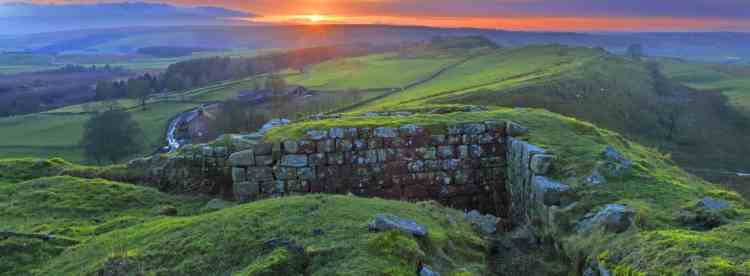
And did those feet in ancient time Walk upon England’s mountains green… Oh. I’ve done that! But it is a very good question. Looking at Hadrian the Roman. Prior to Hadrian’s arrival in Britannia, the province had suffered a major rebellion, from 119 to 121. Inscriptions tell of an expeditio Britannica that involved major troop movements, including the […]




 Hidden History Research